
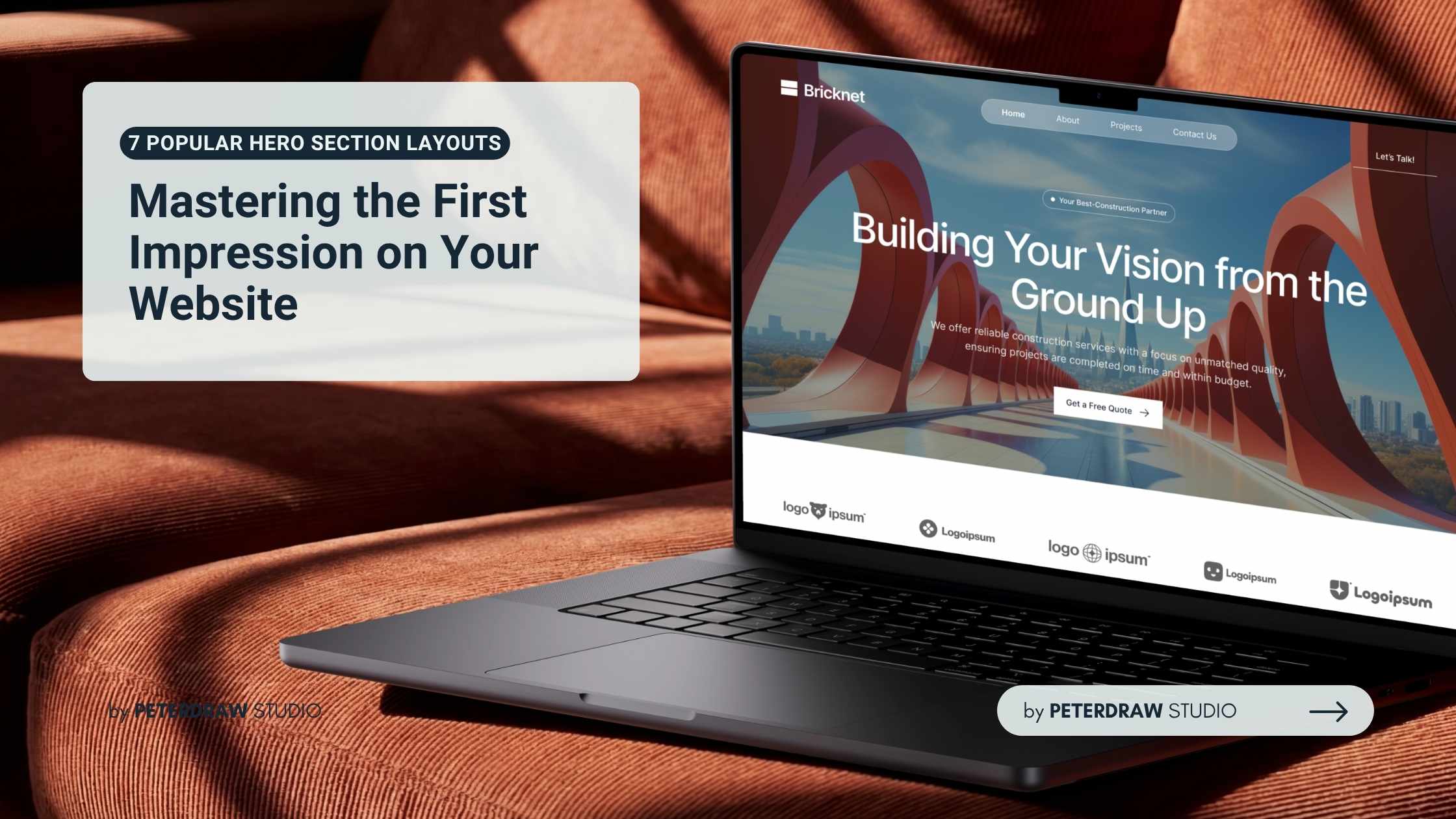
7 Popular Hero Section Layouts: Mastering the First Impression on Your Website
Find the best hero section layouts and design tips to make your homepage stand out. Learn essential elements and best practices for higher conversions.
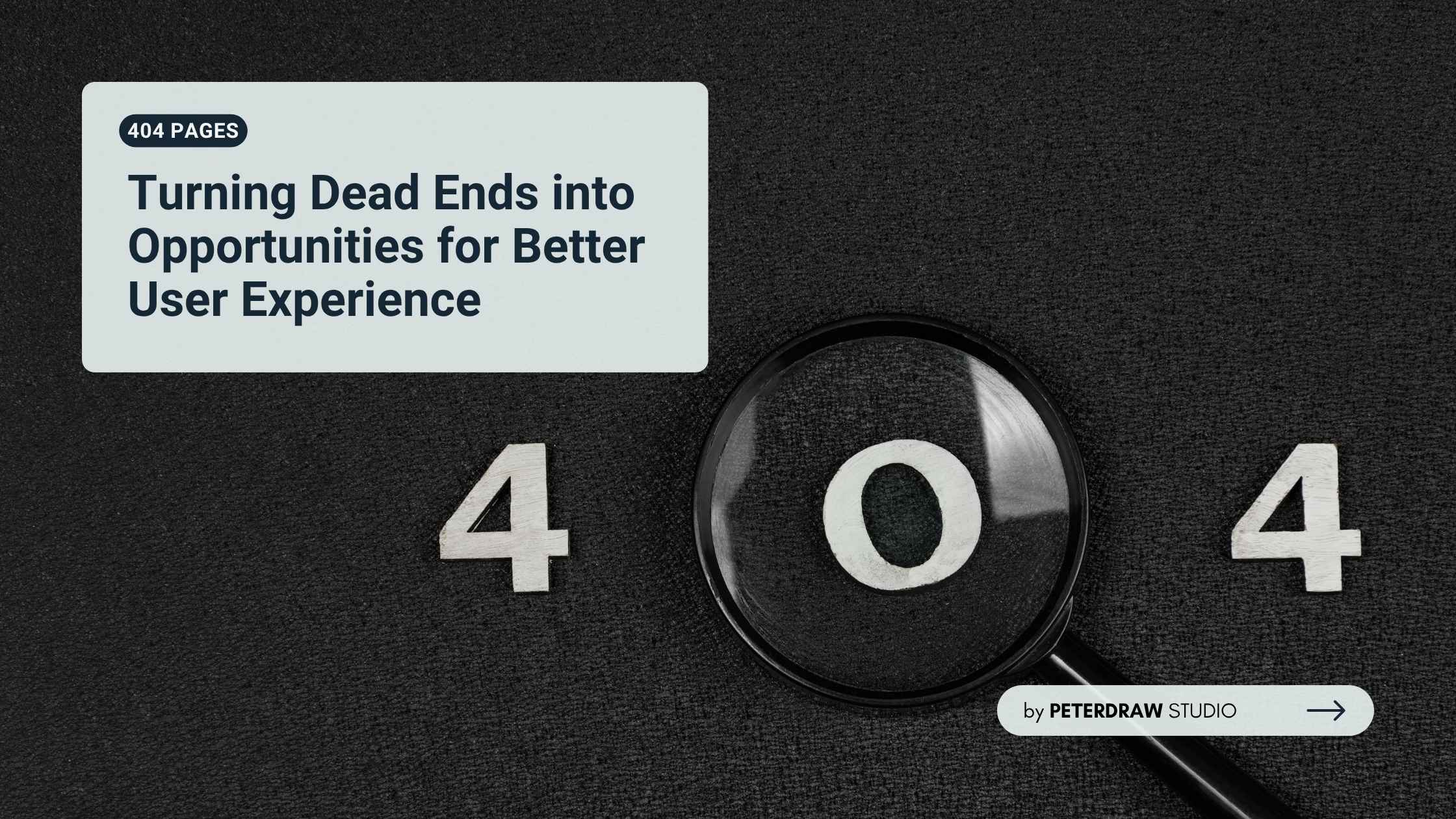


Encountering a 404 page is almost inevitable. Whether due to a broken link, a mistyped URL, or a page that's been removed, these "Page Not Found" errors pop up regularly. Far from a mere technical nuisance, well-crafted 404 pages are crucial touchpoints. They can frustrate visitors or delight them and guide them back.
A 404 page is a standard HTTP response code. It appears when a server cannot find a requested resource. The number "404" means "Not Found." Users may encounter it after clicking outdated links. It can also appear from incorrect addresses or broken redirects.
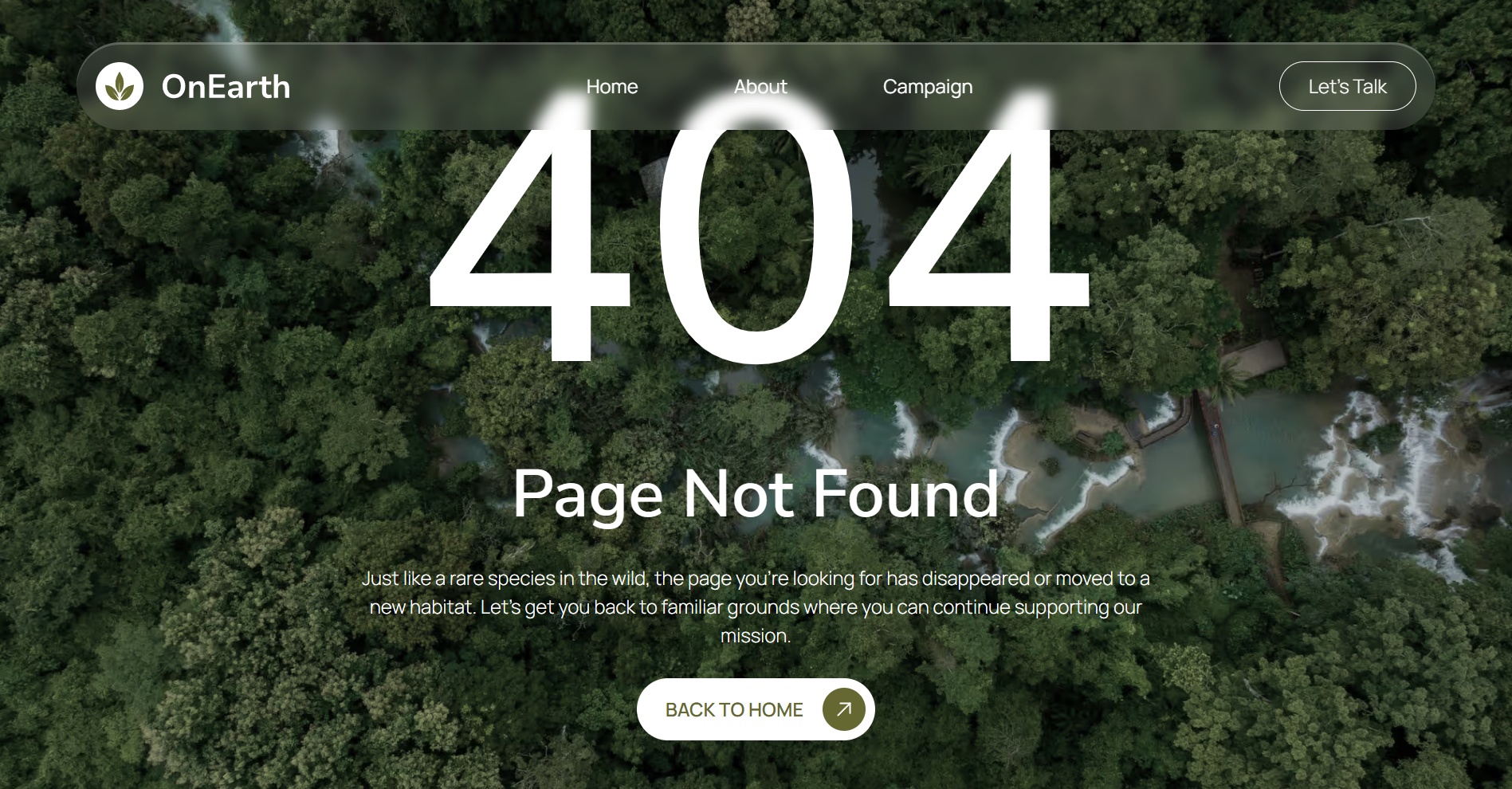
Without customization, visitors often see a plain technical message. These messages provide little context or guidance. As a result, the experience can feel like a dead end. Custom 404 pages transform this moment into a branded experience. They reassure users the site still works. They also help visitors navigate to relevant content.
Users encounter 404 pages on almost every website. A plain default error page may simply say the content is missing. However, a thoughtful custom 404 page keeps visitors engaged and prevents them from leaving. Websites need robust error pages for several compelling reasons:
Every website interaction influences user perception. A polished 404 page reflects professionalism and attention to detail. Consistent branding creates a more trustworthy experience. It turns a frustrating moment into a positive one.
Websites constantly change as content is updated or removed. Users may also enter incorrect URLs. Custom 404 pages help guide visitors back on track. This becomes especially important for larger websites.
Proper 404 responses help search engines understand missing pages. This prevents confusion caused by soft 404 errors. Custom pages can also include useful internal links. These links support navigation and overall site health.
A smart 404 page can keep visitors engaged longer. It may highlight products, services, or popular content. Search features help users quickly find alternatives. Even light humor can encourage visitors to stay.
Creating a strong 404 page takes thoughtful design and user focus. It should feel helpful rather than disappointing. Smart choices here can greatly improve visitor experience and retention.
While no universal template exists, successful 404 pages often follow a logical structure for usability:
Keep the design clean and uncluttered. Avoid overwhelming users with too many options. The goal is quick recovery and continued browsing. Many draw from UI/UX principles: clear hierarchy, ample white space, and intuitive flow.
For technical implementation, most CMS platforms (WordPress, Squarespace, etc.) allow easy custom 404 setup via templates or plugins. Ensure the server returns a true 404 status code, not a 200 OK with error content.
Many top brands have mastered the art of turning error pages into engaging experiences. These creative 404 pages demonstrate how to balance usefulness with personality. They not only help lost visitors but also strengthen brand connection. These examples succeed by blending utility with delight, often resulting in shares and positive mentions online.
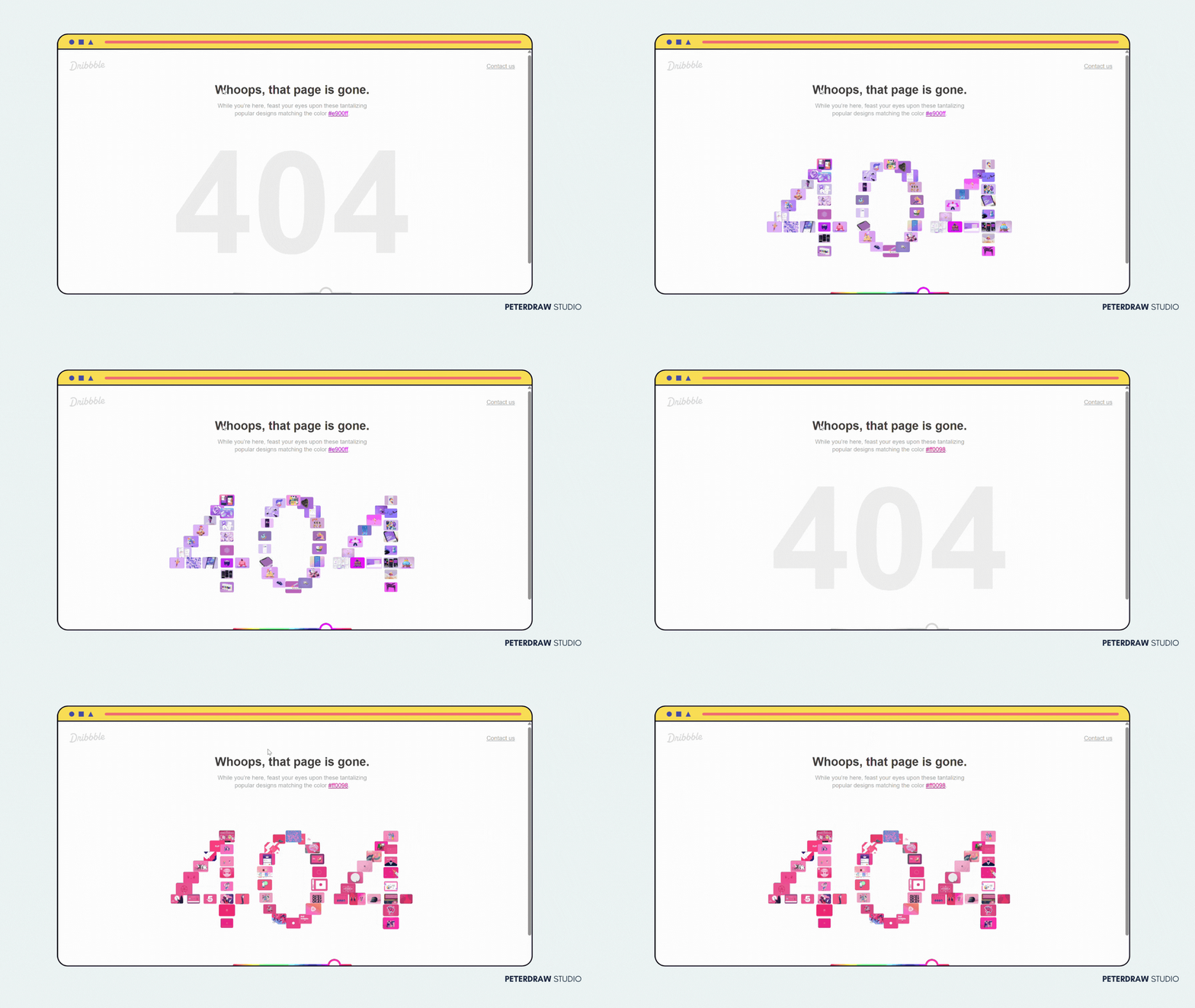
Context always matters when designing effective 404 pages. E-commerce sites often highlight current deals and popular products. Creative agencies prefer strong visuals and interactive elements. Testing different versions with heatmaps reveals what truly works for your audience.
Avoid common mistakes that damage user experience. Never use slow or overly complex designs. Skip generic stock images that do not match your brand. Always include clear navigation and never auto-redirect without clear user consent.
404 pages offer great opportunities to impress visitors and reduce bounce rates. They turn potential frustration into continued engagement when handled well. Invest proper time in creating a thoughtful custom page. This small effort shows you truly value your audience and builds stronger brand loyalty.