


7 Popular Hero Section Layouts: Mastering the First Impression on Your Website
Find the best hero section layouts and design tips to make your homepage stand out. Learn essential elements and best practices for higher conversions.


Pushing products/services to customers is no longer appealing. They seek brands that understand them, respect them, and align with their values. This shift has given rise to human-centered branding, an approach that places people at the heart of every branding decision.
Unlike traditional corporate branding, which often feels stiff and profit-driven, human-centered branding emphasizes empathy, authenticity, and real relationships. It transforms brands from faceless entities into relatable partners that genuinely improve people’s lives. Is it worth it for a business website? How to do it?
Human-centered branding is a strategic framework rooted in human-centered design principles. It prioritizes the needs, emotions, behaviors, and contexts of real people. Customers, employees, and communities come before rigid company personas or aggressive sales tactics.
This approach treats branding as relationship-building rather than image-building. It draws from empathy-driven design thinking, where brands listen deeply. They iterate based on feedback and create experiences that feel personal and meaningful.
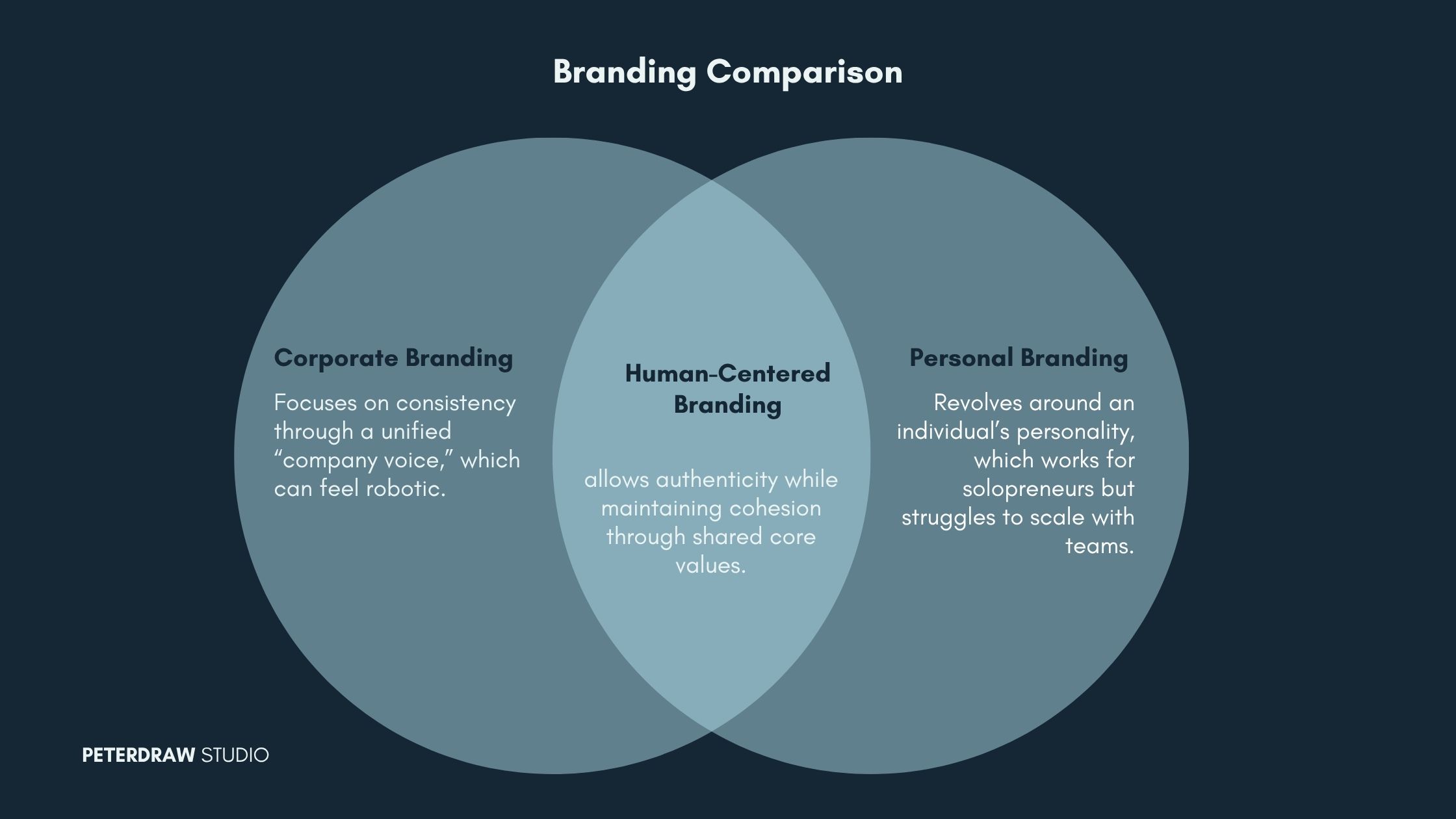
Here are the key differences from other approaches.
This method works well for service-based businesses, consultants, and purpose-driven companies where human interactions define the customer experience.
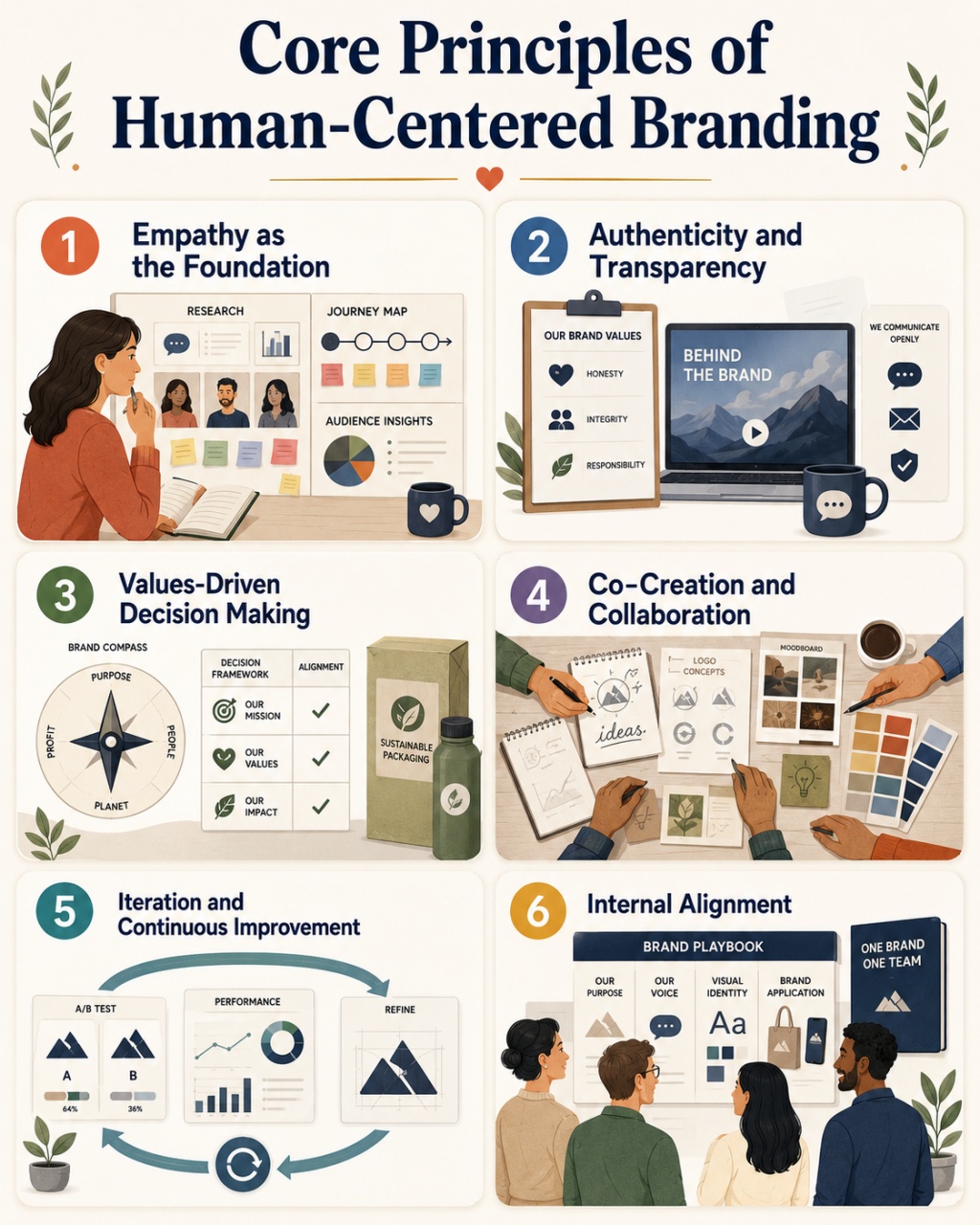
Human-centered branding builds on strong foundational principles. These ideas guide every decision and create meaningful connections with people. Together, they make the approach practical and highly impactful.
Brands invest time in understanding their audience’s pain points, aspirations, and daily realities. This goes beyond surveys. It includes interviews, journey mapping, and immersive research. When customers feel truly seen, trust follows naturally.
People can spot inauthenticity from a mile away. Human-centered brands openly share their values. They admit mistakes. They show the humans behind the logo. This vulnerability builds credibility in an era where consumers demand honesty.
Core values guide everything. This covers product development to customer service and marketing. Brands like Patagonia demonstrate this. They prioritize environmental responsibility over short-term sales. This creates deep emotional bonds with like-minded customers.
Instead of dictating what customers want, these brands invite input. LEGO’s Ideas platform is a prime example. Fans submit and vote on new sets. This turns customers into active participants.
Human-centered branding is never “finished.” Brands test ideas. They gather feedback. They refine experiences. This agile mindset keeps them relevant amid changing consumer expectations.
The approach extends inward. Companies hire and empower team members who share core values. This allows individual personalities to shine. It delivers consistent experiences at the same time. This creates a harmonious “band” effect. Everyone contributes their strengths.
The success of human-centered branding stems from fundamental human psychology and modern market realities. Consumers today face information overload. They also show widespread skepticism toward traditional advertising. They reward brands that feel helpful, respectful, and genuine.
According to Amazon Advertising, 79% of consumers are more likely to purchase from brands whose values align with their own. Transparency and emotional connections boost loyalty. They turn one-time buyers into lifelong advocates. When people feel understood, they forgive imperfections. They spread positive word-of-mouth. This is far more powerful than paid ads.
Additionally, this approach delivers strong business benefits:
Many renowned brands have proved this model approach. Dove’s “Real Beauty” campaign challenged unrealistic standards. It featured diverse women. This sparked global conversations and boosted brand affinity. Patagonia’s “Don’t Buy This Jacket” initiative encouraged mindful consumption. It reinforced its environmental ethos. It ultimately drove sales growth.
Building a human-centered brand doesn’t require a massive budget or agency team. Here’s a practical step-by-step guide:
Identify 3–5 non-negotiable principles. They should reflect your beliefs. They must resonate with your ideal customers. Involve your team in workshops. This ensures strong buy-in.
Create detailed personas based on real insights. Conduct interviews. Analyze feedback. Map customer journeys. Uncover unmet needs and emotional drivers.
Develop messaging that reflects your values. Speak directly to your audience’s experiences. Use a warm, conversational tone. It should feel human rather than corporate.
Ensure every touchpoint aligns with your values. This includes your website, social media, packaging, and support. Allow team members to bring their authentic selves.
Establish feedback loops. Use surveys, social listening, and direct conversations. Act on insights quickly. Show customers their voices matter.
Track metrics like Net Promoter Score (NPS). Include customer satisfaction and retention rates. Add qualitative feedback. Combine them with traditional KPIs like revenue.
For solopreneurs, start small. Infuse your personal values into all communications. Larger teams can focus on hiring for cultural fit. Empower employees to embody the brand.
Transitioning to human-centered branding isn’t always easy. Internal resistance can slow progress. Lack of deep customer insights is another hurdle. Siloed teams may create issues too.
Address these by securing leadership buy-in. Invest in empathy training. Foster cross-functional collaboration. Balance personalization with privacy. Be transparent about data use. Remember: authenticity takes time. The rewards compound over years.
Human-centered branding is more than a strategy. It is a mindset shift. Brands that truly put people first will thrive. They build deeper trust in a skeptical world. Customers now choose brands that feel human. They want respect and shared values. This trend will only grow stronger.
Start small if you are just beginning. Align your actions with your core values. Listen carefully to your audience every day. Show up authentically in every interaction. The results may surprise you. Stronger connections lead to loyal customers. Your business becomes more fulfilling too.
The era of cold corporate branding is fading. Human-centered branding offers a better path. It creates brands people love and remember. Are you ready to build one?